Christmas Charcuterie Board: How to Build a Holiday Spread That Wows
Christmas Charcuterie Board: How to Build a Holiday Spread That Wows
When the holidays roll around, one of the easiest ways to impress guests without slaving over the stove is a Christmas charcuterie board. A well-done board feels generous, festive, and flexible. You can treat it as a simple appetizer, or let it double as the centrepiece of a cozy gathering.
Here’s a complete guide on how to build a Christmas charcuterie board, with plenty of ideas, tips, and “real person” thoughts so you can go beyond the usual and actually enjoy the process.
What Is a Charcuterie Board (and Why It’s Perfect for Christmas)
A “charcuterie board” started out as a platter of cured meats salami, prosciutto, and pâté served cold. Over time, especially in North America, it has expanded to include cheeses, bread or crackers, fruits, nuts, spreads, veggies, and more.
That mix of textures and flavours, salty, creamy, sweet, crunchy, gives charcuterie boards broad appeal. They’re easy to assemble, yet feel special.
For Christmas, a charcuterie board works wonderfully because:
- It creates a festive, shareable setup for gatherings (whether a small family get-together or a larger party).
- You can highlight holiday colours and flavours, think red berries, green herbs, sweet jams, rich cheeses, seasonal fruits.
- It offers variety, catering to diverse tastes (meat lovers, vegetarians, kids, adults).
Given how busy holidays can get, it also saves time you can mostly prep ahead and assemble close to serving.
What to Include: Ingredients & Flavours for a Christmas Charcuterie Board
You want contrast in texture, taste, and colour, especially when you're aiming for that festive holiday vibe. Here's a (non-exhaustive) shopping list that tends to work well:
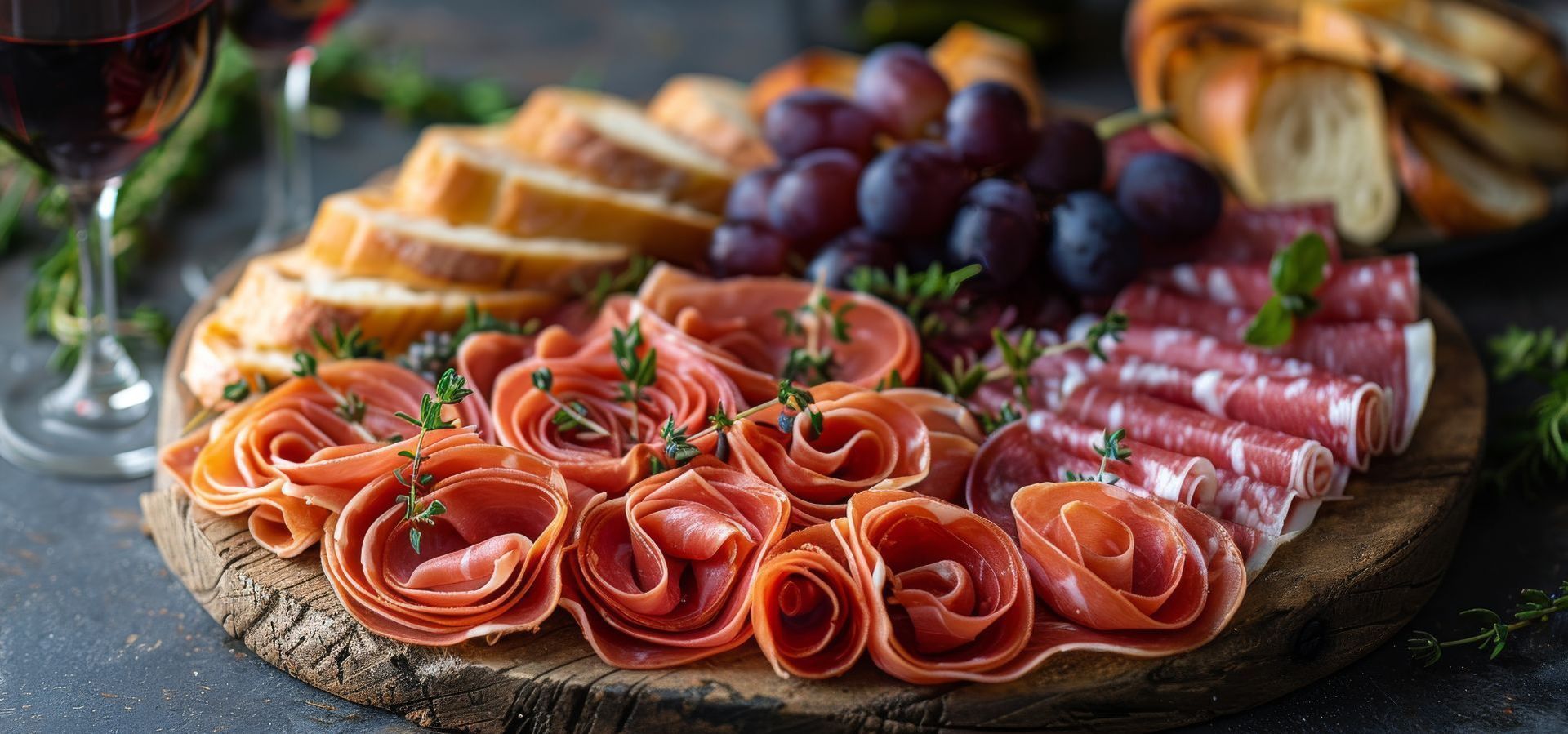
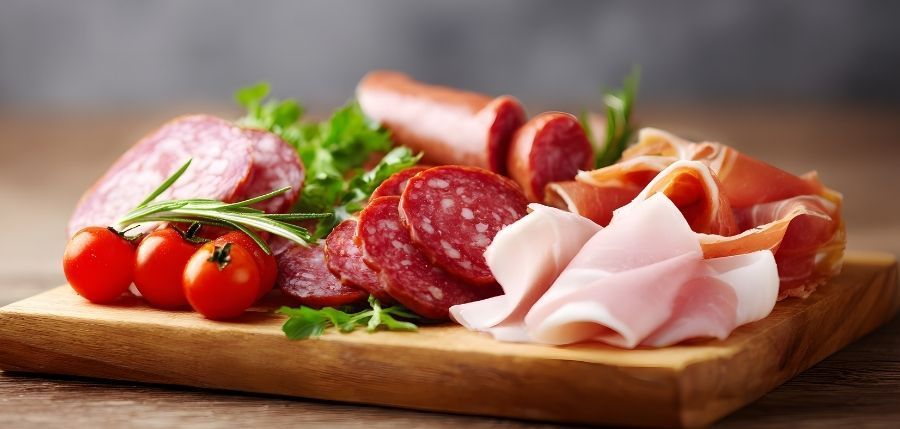
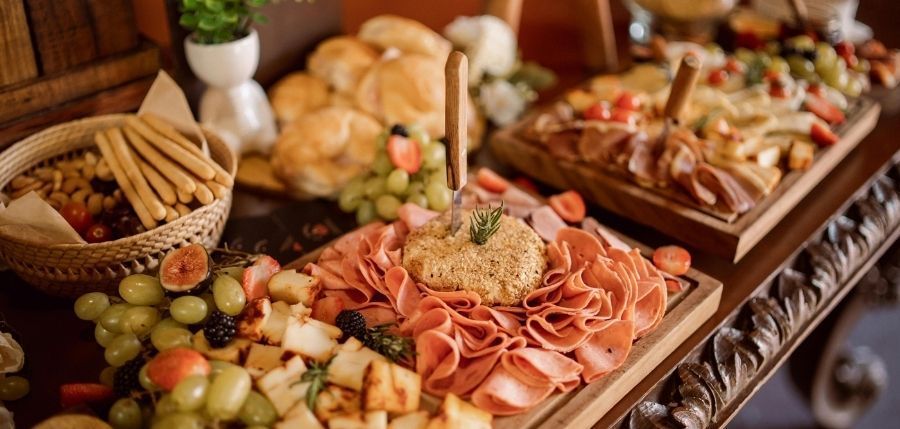
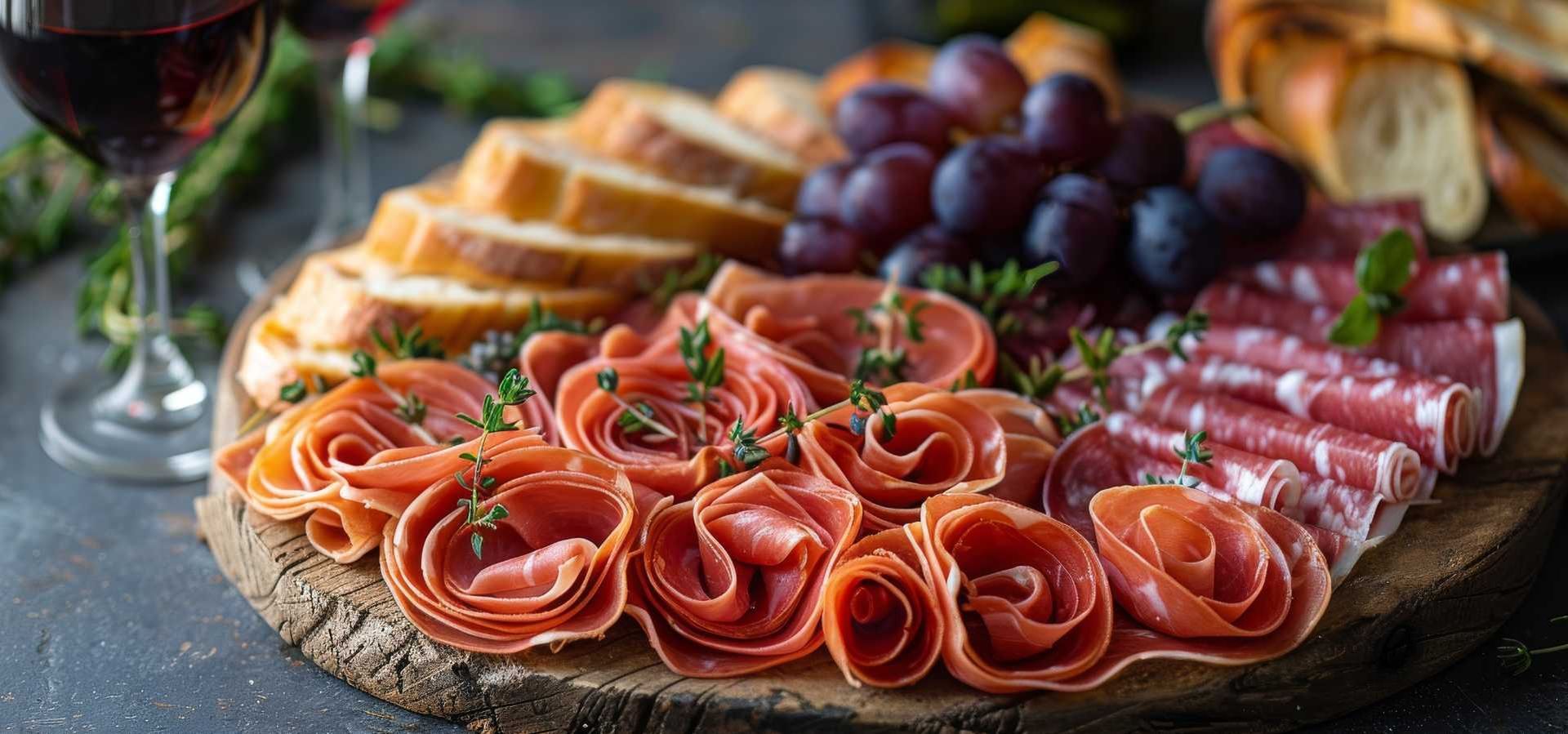
Cured Meats: Salami (regular, fennel, spicy), prosciutto, bresaola or other cured meats. For ease, you can fan thin slices or fold them.
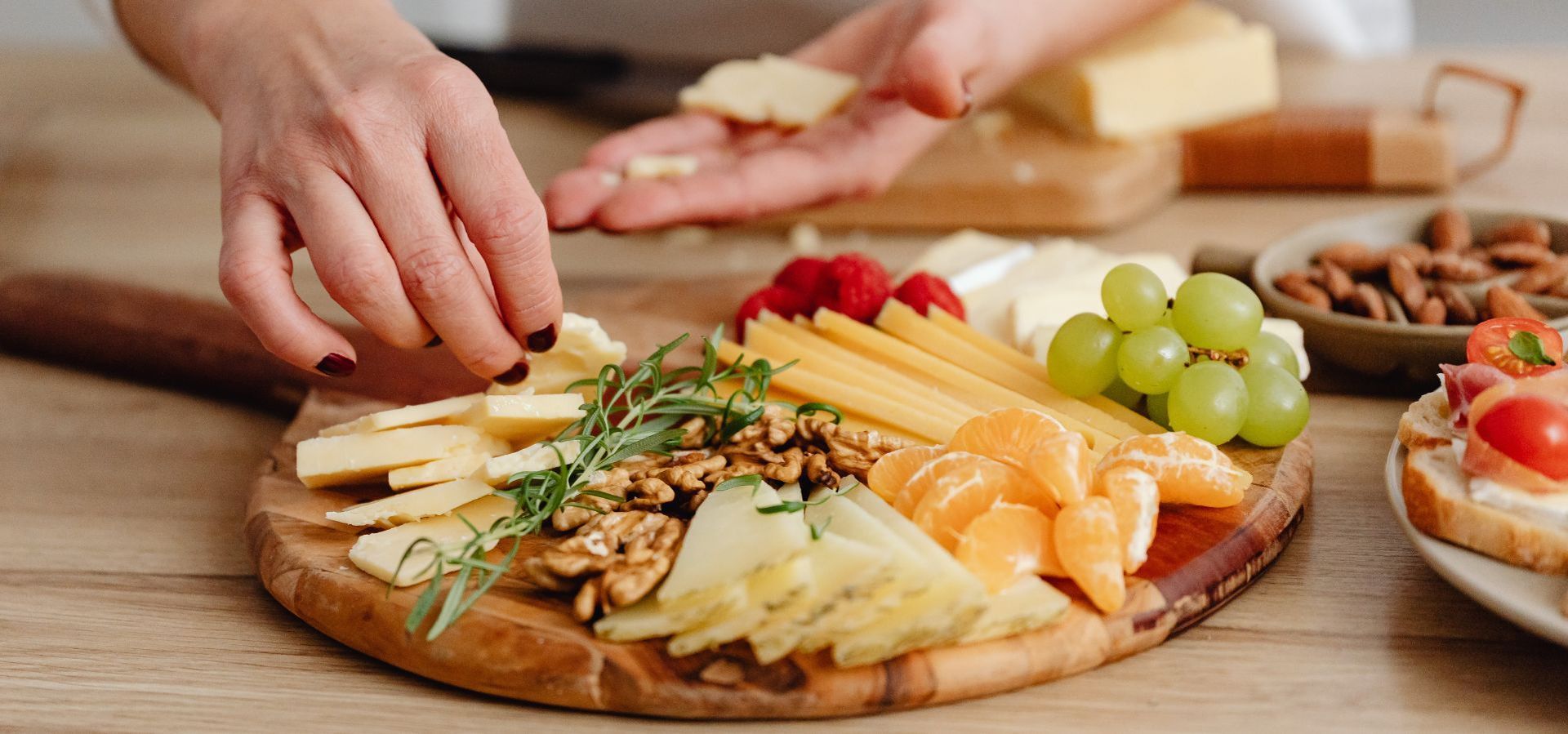
Cheeses: A mix of hard, soft, mild and bold cheeses. Think cheddar or aged Gouda (firm), Brie or Camembert (soft), a blue or tangy cheese, maybe a nutty Manchego.
Crunchy Bases: Crackers, baguette slices, breadsticks, artisanal breads something to carry toppings.
Fresh & Dried Fruits / Veggies: Grapes, apple or pear slices (dipped in lemon water if prepping ahead), pomegranate arils, berries, dried fruits, cherry tomatoes, olives.
Nuts & Extras: Almonds, walnuts, marcona almonds, pistachios, pickles or gherkins, olives. These add crunch or a salty bite to contrast cheeses and meats.
Spreads, Jam & Dips: Honey, fruit jam, mustard, chutney, fig spread, or festive fruit preserve. These give a sweet or tangy balance to cheese and meat.
Festive Accents & Garnishes: Fresh herbs like rosemary or thyme (rosemary sprigs mimic pine or wreath greenery), cranberries or pomegranate seeds for red colour, cookie-cutter shaped cheeses or meats, small bowls for jams or dips.
A Few Go-to Layout Ideas for Christmas
When arranging your board, a little planning can go a long way. Here are layout styles that tend to look festive and are fairly straightforward to build:
- Wreath Layout – Use a round or large oval board. Line the outside edge with greenery (rosemary, thyme, perhaps), then build inward with alternating clusters of cheese, meats, fruits, and nuts. Place dips or jams in small bowls spaced evenly. This mimics a holiday wreath.
- Tree Shape Layout – On a rectangular or long wooden board, outline a tree (real or imaginary), then fill in with layers: bottom row thicker (cheese, crackers), middle rows meats and cheeses, top with a “star”, maybe a star-cut cheese slice or a small decorative topping.
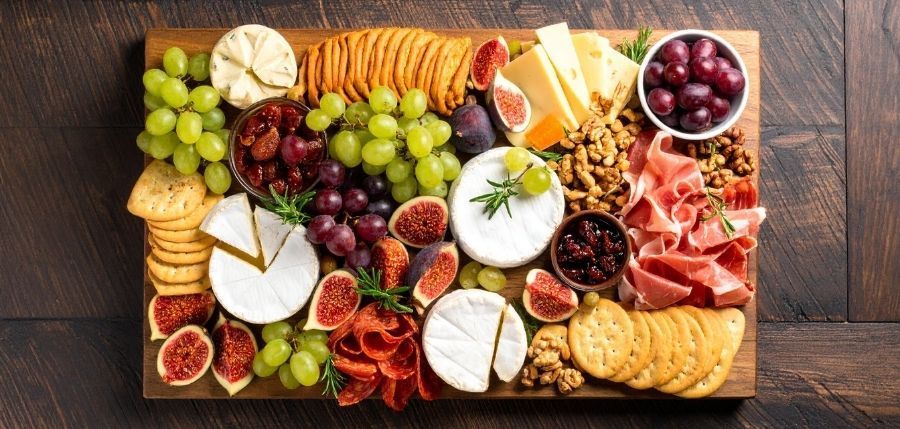
- Scatter / Rustic Layout – For a more relaxed gathering: skip strict shapes. Instead, distribute cheeses, meats, nuts, fruits, etc., in small clusters across the board. Leave some negative space so guests can easily pick what they like. Place small bowls for dips and jams near the centre or corners. This works well if you add variation different cheeses, crunchy nuts, and soft fruits, to give variety to each bite.
Tips to Make It Easy (and Actually Enjoyable)
Putting together a Christmas charcuterie board can be fun, but only if you let it be. Here are some tips to stay relaxed and get good results:
- Pick a board big enough. Small plates or tiny cutting boards rarely look right.
- Prep ahead: slice cheeses, wash and cut fruits, arrange nuts and dried fruit bowls the night before. On the day, just assemble.
- Use a second board for prep to avoid messy cleanup, have a separate one for cutting, and another for serving.
- Mix textures and tastes: soft cheese with crunchy nuts, salty meat with sweet fruit, creamy dip with crisp crackers. This keeps the board interesting.
- Add a few festive touches, rosemary sprigs, bright red cranberries, cookie-cutter shaped cheeses or crackers, small bowls with jams or mustard to give it a holiday feel without overdoing it.
- Think about food safety and serving time. Charcuterie boards are usually served cold or at room temperature. Don’t leave perishable cheese out for too many hours.
Variations & Special Touches
Because tastes and dietary needs vary, especially in a multicultural context like Canada, it’s worth adding flexibility. Here are some ideas:
- Vegetarian / Lighter Version: Use plant-based dips, hummus or guacamole, cheese (or vegan cheese), fresh fruits and veggies, nuts, whole-grain crackers, maybe toasty breads. You still get variety and sharing board feel without relying heavily on cured meats.
- Sweet & Savoury Mix: Alongside meats and cheese, add chocolate, dried fruit, candied nuts, dark-chocolate squares, honey, fruit preserves, maybe even marshmallows or cookies for kids or dessert lovers.
- Kid-Friendly Board: Include mild cheeses, soft crackers, colourful fruits, chocolate bites, cookie shapes, fun dips, maybe mini sandwiches. This ensures even younger guests enjoy the spread.
- Themed Colour Boards: Red + green for classic Christmas. Alternatively, white, silver and deep red for a “winter wonderland” vibe. Use garnishes, berries, nuts or herbs to stick to your chosen palette.
Mistakes to Avoid (Because They Turn Out Ugly or Stressful)
Sometimes simple mistakes ruin the vibe. Try to avoid:
- Overloading the board with too many types of things overwhelms flavors, looks messy.
- Skipping contrast, all soft cheese, or all salty meats; variety in texture and flavour makes the board interesting.
- Using a tiny board, everything looks cramped, and guests struggle to serve themselves.
- Leaving everything out too long, cheeses and meats can get warm, lose texture, or dry out.
- Forgetting clean-up/prep washing fruit, slicing cheese, pre-arranging nuts or small items saves you last-minute chaos.
Sample Shopping + Serving Plan (for ~8–12 Guests)
Here’s a rough plan, feel free to adjust based on your guest list and preferences.
- Meats: ~300–400g assorted cured meats (salami, prosciutto, maybe bresaola)
- Cheeses: 4–5 kinds (hard, soft, mild, bold): ~1.5–2kg total
- Crackers/Bread: 2–3 types of crackers, baguette slices, breadsticks
- Fruits/Veggies: 2–3 kinds fresh (grapes, apple or pear slices, berries), some dried fruit, maybe olives or cherry tomatoes
- Nuts / Crunchy Extras: small bowls of almonds, walnuts, etc.
- Spreads / Dips: small bowls of jam/fruit preserve, honey, mustard or chutney
- Garnish / Holiday Touches: rosemary sprigs, cranberries or pomegranate arils, optional shaped cheeses or crackers
Assemble your board 30–45 minutes before guests arrive. Cover loosely (if using fridge) or assemble just before serving so everything stays fresh.
Why a Christmas Charcuterie Board Works for Holiday Gatherings
From a hosting perspective, here’s what makes this kind of board a winner during Christmas (or other holidays):
- It’s flexible: you can scale it up or down depending on guest count, dietary needs, holiday schedule, and even weather (cold or warm).
- It’s friendly: people can graze when they arrive, mingle, start nibbling no need to wait for a formal sit-down meal.
- It creates variety: there’s usually something for everyone, kids, meat-lovers, vegetarians, sweet-tooths, and those who like something light.
- It saves time: since no cooking is needed, most of the work is chopping, slicing, and arranging, freeing you to enjoy the gathering instead of fussing in the kitchen.
A Few Real Thoughts (From Someone Who’s Hosted)
I’ve done charcuterie boards many times around Christmas. Some years when I rushed the board looked okay, but I felt it lacked character. What I learned: a few well-chosen items and a bit of space between clusters makes it feel more deliberate.
I once skipped a “greenery garnish”, and the board looked bland. Next time I added fresh rosemary and scattered cranberries suddenly, the board felt more festive, more inviting.
Another time, I piled everything in the centre: meats, cheese, nuts and the outer edge was empty. People ended up grabbing from the middle, leaving awkward gaps. After that, I started arranging items with balance, leaving “paths” for guests to reach dips or crackers easily.
And one last thing: if cheese sits out too long (over 2 hours), it loses texture and becomes less attractive so small gatherings or quick turnover work best.
Give It a Try And Make It Yours
A Christmas charcuterie board doesn’t have to be complicated. But with a little thought, ingredient variety, creative layout, and fresh touches, it becomes something worth gathering around.
If you’re looking for a ready-made option or further inspiration, you might check out services like Pretty Party Platters. We know how to combine festive visuals with delicious ingredients.
Enjoy building your board. Your guests and your holiday spirit will thank you.